Liposuction in Frisco, TX

Anesthesia: Local or general anesthesia
Recovery: About 1-2 weeks (for non-strenuous activities)
Post-OP Visits: 1 day, 1 week, 3 weeks, 6 weeks, 6 months
Even if people eat well and exercise often, some fat areas just won’t go away. These stubborn fat desposts are usually linked to genetics, hormones, age, and body type, not a lack of effort. Many patients tell me they have tried for years to lose fat from their belly, waist, thighs, neck, or arms but haven’t gotten the results they want.
Liposuction is a reliable and popular method for enhancing body shape by permanently eliminating excess fat from specific body parts. It’s been a top cosmetic surgery choice for years globally, due to its ability to achieve noticeable, long-term body contour enhancements. Rather than serving as a weight-loss procedure, liposuction is designed to sculpt and refine your natural contours, helping clothing fit better, improving body proportions, and enhancing overall confidence.
Dr. Geo N. Tabbal, a board-certified plastic surgeon in Frisco, Texas, views successful liposuction as more than just fat removal. The real skill in body contouring involves a deep understanding of human anatomy, respecting the body’s natural transitions, and crafting smooth, balanced contours that look untouched by surgery. Achieving an excellent outcome requires careful judgment, meticulous surgical technique, and an individualized treatment plan.
Dr. Tabbal serves patients from Frisco, Plano, McKinney, Prosper, Allen, and Celina, Texas. His approach combines extensive surgical training with an emphasis on patient education, safety, and natural-looking outcomes. He believes that informed patients make the best decisions, so this guide was created to address frequently asked questions about liposuction. It explains how the procedure works, discusses who is a good candidate, reviews current surgical methods, and describes what to expect before, during, and after the surgery.
If you aim to shape your waist, sculpt your stomach, enhance your neck’s look, or tackle various areas of persistent fat, knowing the basics of liposuction is essential for making a well-informed choice about your treatment.
What Is Liposuction?
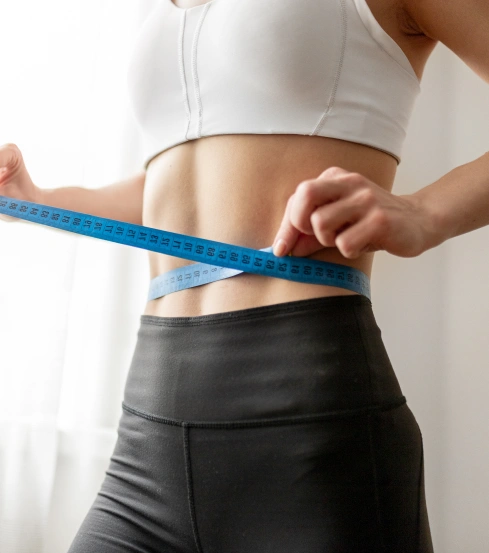
Liposuction, sometimes called suction-assisted lipectomy or lipoplasty, is a surgical method for shaping the body. It involves removing localized fat deposits from specific areas of the body. The procedure is designed to improve shape and proportion rather than reduce overall body weight. Liposuction can remove fat cells from specific areas, resulting in smoother and more balanced body shapes. This effect is often hard or even impossible to achieve with just diet and exercise.
Unlike weight-loss procedures such as bariatric surgery, liposuction is not intended to treat obesity. It is most appropriate for healthy people who are close to their ideal weight but struggle with specific areas of stubborn fat that remain despite having an active lifestyle. Common treatment areas include the abdomen, waist, flanks, back, thighs, arms, neck, chest, and knees. Many patients choose to treat several areas during a single operation to create more harmonious overall body proportions.
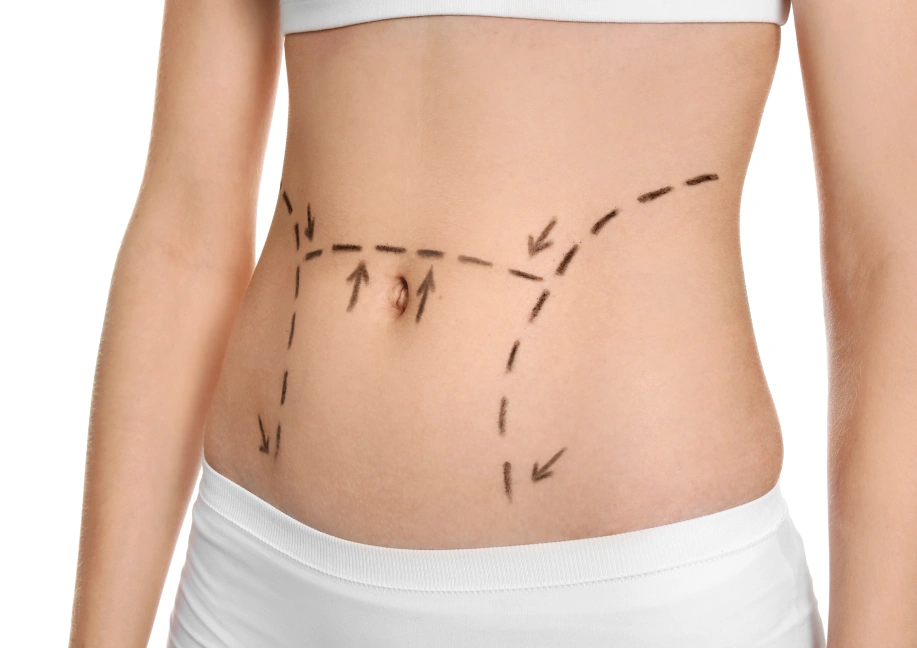
The procedure involves the insertion of a thin, specialized instrument called a cannula through small, strategically placed incisions. Before starting fat removal, a tumescent solution made of saline, a local anesthetic, and medication to reduce bleeding is injected into the target area. This solution helps separate fat cells, reduces blood loss, improves patient comfort, and allows for more precise contouring. The cannula is used to carefully loosen and remove fat via controlled suction, ensuring that vital parts like nerves, blood vessels, connective tissue, and the skin on top remain intact.
One of the most common misconceptions about liposuction is that it is a method of rapid weight loss. In reality, the number on the scale often changes very little after surgery. Instead, patients notice improvements in body shape, waist circumference, clothing fit, and overall body proportions. Even if a patient sheds just a few pounds post-liposuction, they might notice a striking change. This is because the procedure specifically targets fat in areas that most influence body shape.
Another important concept is that liposuction permanently reduces the number of fat cells in the treated areas. Adults generally do not produce significant numbers of new fat cells after adolescence. Once fat cells are removed during liposuction, they do not regenerate. However, the remaining fat cells throughout the body can still enlarge if a patient gains weight after surgery. Maintaining a stable weight through proper nutrition and regular physical activity is therefore essential for preserving long-term results.
Who Is a Good Candidate for Liposuction?
Liposuction is a highly effective method for body reshaping; however, it may not be suitable for everyone. The most successful results occur when the procedure is performed on carefully selected patients who have realistic expectations, live a healthy lifestyle, and know both its benefits and its limitations.
A good candidate for liposuction is a person who is troubled by specific areas of extra fat that haven’t gone away with diet and exercise. These stubborn fat pockets are often inherited and can remain even after years of regular exercise, healthy eating, or losing a lot of weight. Liposuction can effectively improve these problem areas by permanently removing fat cells and enhancing overall body proportions.
Generally, the best candidates meet the following criteria:
- Are in good overall physical health
- Maintain a stable body weight
- Are close to their ideal weight
- Have good skin elasticity
- Do not smoke or are willing to stop before surgery
- Have realistic expectations regarding the results
- Are committed to maintaining a healthy lifestyle after surgery
While age alone isn’t a limiting factor, your overall health and skin quality are more significant than how old you are. Patients in their 60s and 70s who are in good health and have good skin elasticity might be great candidates for surgery. Younger patients, however, who have noticeable skin laxity might need a different type of procedure.
Developing A Personalized Treatment Plan
During your consultation at his Frisco, Texas office, Dr. Tabbal will discuss your general health and long-term goals. He will look at your specific concerns and evaluate the laxity of your skin and the amount of fatty tissue present. Finally, he will review your medical history to ensure there are no health and/or safety issues.
During his plastic surgery residency at UT Southwestern Medical Center and aesthetic surgery fellowship in New York City, Dr. Tabbal received extensive training from pioneers in the field of liposuction. He uses this knowledge to help educate his patients about liposuction and then develops a suitable surgical plan that aligns with a patient’s anatomy and their goals for surgery.
Liposuction can be an exceptional method to enhance your body’s proportions and contours. With his extensive knowledge of both traditional and advanced liposuction techniques, Dr. Tabbal can tailor a customized treatment plan that effectively helps you achieve your goals for body contouring.
Understanding BMI and Liposuction
One of the most frequently discussed topics during consultation is Body Mass Index (BMI). BMI is a screening tool that estimates body weight relative to height. It’s used to help surgeons assess operative risk. Although BMI doesn’t directly assess body fat percentage or muscle mass, it offers useful insights when evaluated together with a patient’s overall health.
Patients with a lower BMI usually see more dramatic contour changes because localized fat deposits are easier to define against a leaner body. However, patients with a higher BMI can still benefit from liposuction, but it’s important for expectations to be adjusted to reflect the limitations of body contouring surgery.
As a general guideline, patients with a BMI less than 30 are generally excellent candidates for liposuction. Patients with a BMI of 30 to 35 might still be suitable candidates based on their health, fat distribution, and aesthetic goals. During your consultation, Dr. Tabbal assesses if body contouring alone will meet the desired outcome or if loosing more weight before surgery would enhance both the safety and the results of the surgery.
Why Skin Elasticity Matters in Liposuction
One of the most important predictors of an excellent liposuction result is the quality of a patient’s skin.
After fat is removed, the skin must contract and adapt to the body’s new contour. Patients whose skin has good elasticity usually see better results, as their skin conforms more effectively to the loss of fullness.
Factors that influence skin elasticity include:
- Age
- Genetics
- Pregnancy
- Previous weight fluctuations
- Sun damage
- Smoking
Patients with significant loose skin may not achieve their desired outcome with liposuction alone. In situations like these, procedures such as a tummy tuck, arm lift, thigh lift, or neck lift might deliver a more dramatic and aesthetically pleasing result.
Realistic Expectations
One of the most important characteristics that makes a candidate ideal for having liposuction is having realistic expectations. Liposuction can improve body contours, enhance clothing fit, increase confidence, and create more balanced proportions. However, it cannot create perfection, eliminate cellulite, tighten loose or excess skin, nor can it replace healthy lifestyle habits. Patients who understand these limitations are generally the most satisfied with their results.
Which Areas of the Body Can be Treated with Liposuction
One of the greatest advantages of liposuction is its versatility. Modern liposuction techniques enable surgeons to precisely remove localized fat from virtually any part of the body where too much fat under the skin leads to uneven body contours. Instead of just concentrating on a single area of the body, Dr. Tabbal considers how various parts of the body relate to one another. Treating multiple adjacent areas often produces a more balanced, natural-looking result than addressing a single area in isolation.
Modern liposuction techniques enable surgeons to precisely remove localized fat from virtually any part of the body where too much fat under the skin leads to uneven body contours. Instead of just concentrating on a single area of the body, Dr. Tabbal considers how various parts of the body relate to one another.
The goal of liposuction is not simply to remove fat but to improve body shape by preserving smooth transitions between nearby body parts.

Abdomen
The abdomen is the most frequently treated area for liposuction. Many individuals find themselves dealing with perisstent fullness in their upper and lower abdomen, even though they eat well and stay active with regular exercise.
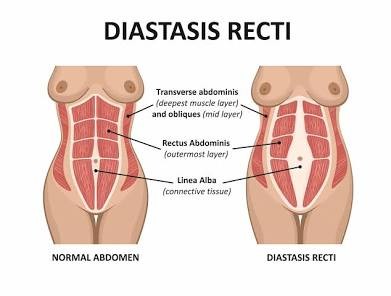
Liposuction can effectively reduce excess subcutaneous fat, creating a flatter, more defined abdominal contour. It’s essential to understand that liposuction doesn’t tighten loose skin or fix separated abdominal muscles (diastasis recti). For individuals with a lot of loose skin after pregnancy or significant weight loss, a tummy tuck (abdominoplasty) might offer better results. This procedure is often paired with liposuction for achieving the best results in body contouring.
Waist and Flanks (“Love Handles”)
The waist and flanks are commonly treated alongside the abdomen to create a more defined waistline. Excess fat in these areas can obscure the natural inward curve of the waist, contributing to a boxy appearance.
Circumferential contouring of the waist can significantly improve body proportions from both the front and back. By reducing fullness along the flanks, patients often find that clothing fits more comfortably and that their silhouette appears more athletic.
Lower Back and Bra Rolls
Fat accumulation in the lower back and upper back can become increasingly noticeable with age or weight fluctuations. Liposuction can effectively address fullness beneath the bra line, around the posterior waist, and over the sacral region.
Treating the back in conjunction with the abdomen and flanks often creates a smoother, more harmonious transition around the torso.
Hips
Some patients develop prominent fat deposits over the hips that contribute to a wider lower body. Liposuction can refine this area while maintaining natural curves and improving the overall balance between the upper and lower body.
Thighs
The thighs are among the most common treatment areas in women. Within the thighs, commonly treated regions include:
- Inner thighs
- Outer thighs (“saddlebags”)
- Anterior thighs
- Posterior thighs
Reducing excess fat from the inner thighs may decrease thigh rubbing while improving leg contour. Treating the outer thighs can soften the appearance of saddlebags and create a smoother transition between the hips and legs.
Upper Arms
Many patients become self-conscious about fullness of the upper arms, particularly when wearing sleeveless clothing.
Liposuction may be appropriate when excess volume is caused primarily by fat and skin elasticity remains good. Patients with significant loose skin may benefit more from brachioplasty (arm lift surgery), either alone or in combination with liposuction.
Neck & Chin
Submental liposuction is one of the most effective procedures for improving jawline definition.
Removing excess fat beneath the chin can:
- Improve the cervicomental angle
- Enhance jawline definition
- Reduce the appearance of a “double chin”
- Create a more youthful facial profile
Patients with good skin elasticity often experience excellent skin contraction after neck liposuction. Individuals with substantial skin laxity or muscle banding may achieve better results with a neck lift or facelift.
Chest
Male Chest (Gynecomastia)
Liposuction plays an important role in the treatment of gynecomastia, or enlargement of male breast tissue. If the excess tissue is primarily fatty tissue, liposuction alone may provide excellent results. However, many men also have firm, glandular tissue under the nipple which needs to be surgically removed along with liposuction to create a flatter, more masculine chest contour.
Female Chest
Liposuction can be specifically applied to the lateral chest wall and the axillary area (commonly known as the “bra bulge”) to enhance the shape around the breasts. This is frequently combined with breast augmentation, breast lift, or breast reduction surgery.
Modern Liposuction Techniques
Liposuction has evolved dramatically since its introduction in the late twentieth century. Today’s methods are safer, more accurate, and cause less trauma than older techniques. They enable surgeons to create smoother contours while reducing blood loss, bruising, and recovery time.
Although there are several methods of performing liposuction, the underlying goal remains the same: safely remove excess subcutaneous fat.
Suction-Assisted Liposuction (SAL)
Suction-assisted liposuction, often abbreviated as SAL, is the most traditional version of all the liposuction techniques.
It involves injecting a fluid called tumescent solution into the areas being treated. The mixture contains normal saline (sterile saltwater), epinephrine (which constricts blood vessels to reduce bruising and bleeding), and frequently, lidocaine (to numb the area). The surgeon then manually moves a cannula through the fat layer while controlled suction removes the loosened fat.
Advantages of SAL include:
- Excellent surgeon control
- Proven long-term safety
- Versatility
- Reliable contouring
- Suitable for most treatment areas
SAL remains an excellent option, particularly for patients requiring moderate-volume fat removal.
Power-Assisted Liposuction (PAL)
Power-assisted liposuction (PAL) has become one of the most widely used technologies in modern plastic surgery.
Rather than relying solely on the manual movement of the surgeon’s arm, PAL utilizes a cannula that rapidly oscillates back and forth over a very short distance. This vibration helps separate fat cells more efficiently while requiring less physical effort from the surgeon.
Some potential benefits of PAL include:
- Reduced tissue trauma and less swelling
- More efficient fat removal
- Improved contouring accuracy
- Better performance in dense or fibrous fat
- Shorter operative times in selected cases
Fibrous areas such as the male chest, upper back, flanks, and previously treated regions often respond particularly well to PAL technology.
For many surgeons, including Dr. Tabbal, PAL has become a preferred technique because it combines efficiency with excellent tactile feedback, allowing for smooth, controlled contouring.
Ultrasound-Assisted Liposuction (UAL)
Ultrasound-assisted liposuction uses ultrasonic energy to emulsify fat before it is removed through suction.
The ultrasound energy selectively disrupts fat cells, making removal easier in areas with dense fibrous tissue.
Potential advantages of UAL include:
- Effective treatment of fibrous fat
- Helpful for revision liposuction
- Useful in gynecomastia surgery
- May facilitate fat removal in difficult anatomical regions
Because ultrasound generates heat, careful technique is required to minimize the risk of thermal injury. In experienced hands, UAL can be a valuable adjunct for selected patients.
Laser-Assisted Liposuction (LAL)
Laser-assisted liposuction employs laser energy delivered through a small fiber placed beneath the skin. The laser helps liquefy fat before suction while generating heat within the tissues.
Potential benefits of LAL include:
- Fat disruption
- Small treatment incisions
- Modest skin contraction in selected patients
Some laser systems are marketed as providing significant skin tightening. Laser-assisted liposuction can create mild skin tightening in carefully selected patients who already have good skin quality. However, it is not an alternative to surgeries like a tummy tuck, arm lift, thigh lift, or neck lift that specifically remove extra skin.
The Importance of Technique Selection
The evolution of liposuction has introduced multiple technologies, including suction-assisted liposuction (SAL), power-assisted liposuction (PAL), ultrasound-assisted liposuction (UAL), and laser-assisted liposuction (LAL). However, technology alone does not determine the quality of a result.
Dr. Tabbal’s academic work examining liposuction outcomes emphasizes that excellent results come from combining appropriate technology with sound surgical principles. The selection of technique should be based on the patient’s anatomy, the treatment area, tissue characteristics, and the surgeon’s experience rather than simply choosing the newest device available. [1]
Skin Tightening Technologies After Liposuction
One of the most common misconceptions about liposuction is that it tightens loose skin. Improving skin laxity, however, depends largely on the elasticity of the skin. Patients with excellent skin quality often experience significant skin contraction after fat removal, whereas those with more significant skin laxity may not be suitable candidates for liposuction.
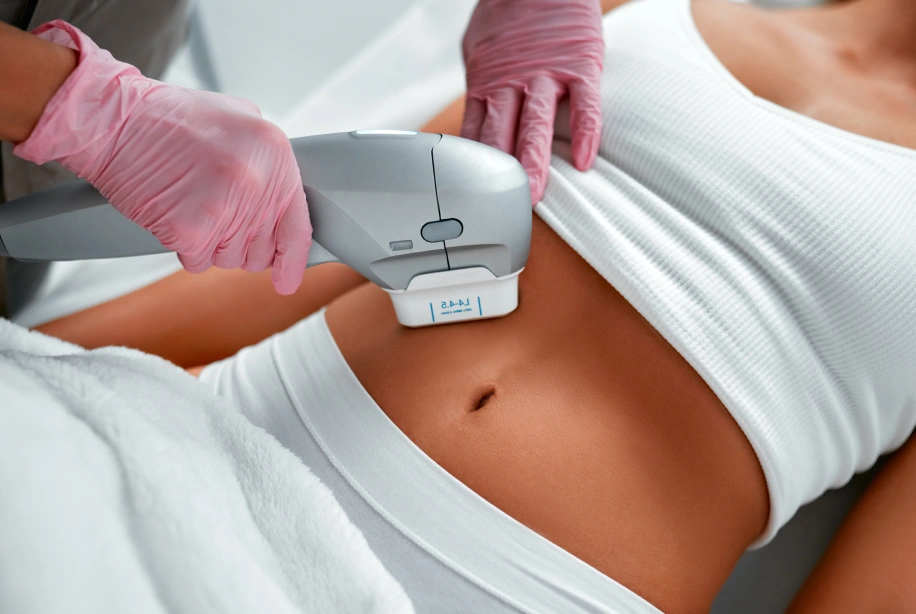
In recent years, several energy-based technologies have been introduced with the goal of improving skin contraction following liposuction. These devices use radiofrequency energy, helium plasma, laser energy, or ultrasound to stimulate collagen remodeling beneath the skin. Although these technologies may provide additional skin tightening in carefully selected patients, they are not substitutes for surgical skin excision when substantial excess skin is present.
BodyTite®
BodyTite® is a radiofrequency-assisted lipolysis (RFAL) system that combines traditional liposuction with controlled radiofrequency energy delivered beneath the skin. The device simultaneously heats the tissues internally while monitoring external skin temperature, promoting collagen contraction and stimulating new collagen production during the healing process.
Potential advantages of BodyTite® include:
- Mild to moderate skin tightening
- Improved contour definition
- Enhanced skin contraction after fat removal
- Small, well-concealed incisions
- Can be combined with liposuction during the same procedure
BodyTite® is typically thought of for individuals with early skin laxity in areas like the abdomen, arms, thighs, or neck, who are not yet ready for a tummy tuck, arm lift, thigh lift, or necklift.
Although many patients experience noticeable improvement in skin firmness, BodyTite® cannot remove excess skin. Patients with significant skin redundancy after pregnancy or massive weight loss generally achieve superior results with excisional surgery.
Renuvion®
Renuvion® utilizes helium plasma energized by radiofrequency energy to deliver controlled heat beneath the skin. This energy creates rapid tissue contraction.
Potential benefits include:
- Improved skin contraction
- Enhanced contour refinement
- Small access incisions
- May delay the need for larger excisional procedures in carefully selected patients
As with all energy-based devices, patient selection is critical. Renuvion® may improve mild to moderate skin laxity, but it cannot reliably treat patients with large amounts of excess skin or repair stretched abdominal muscles.
Laser-Assisted Skin Tightening
Laser-assisted liposuction (e.g. laser lipolysis) systems deliver focused laser energy beneath the skin with the goal of liquefying fat and stimulating collagen production. While some degree of skin contraction may occur, the overall improvement is generally modest and depends heavily on the patient’s baseline skin quality.
Laser-assisted technologies may be appropriate for younger patients with excellent skin elasticity who require only subtle tightening after fat removal.
Liposuction vs. Tummy Tuck
Although liposuction and tummy tuck surgery are frequently discussed together, they are fundamentally different procedures that address different anatomical problems. Choosing the correct operation is one of the most important factors in achieving an excellent outcome.
Many patients believe they simply need “their stomach fat removed”. However, abdominal contour is influenced by all of the following:
- Skin, including both the quality and quantity
- Subcutaneous fat
- Abdominal musculature: including muscle tone and rectus diastasis
- Visceral fat surrounding the internal organs
Each of these structures contributes differently to abdominal contour, and no single procedure treats them all.
Which Procedure Is Right for Me?
You may be an excellent candidate for liposuction if you:
- Have stubborn abdominal fat
- Have firm, elastic skin
- Have minimal muscle separation, AKA rectus diastasis
- Desire contour improvement with minimal scarring
A tummy tuck is often the better option if you have:
- Loose hanging skin
- Rectus diastasis: separation of the rectus abdominis muscles due to pregnancy
- Significant stretch marks
- History of significant weight loss
- Skin that will not contract after fat removal
Can Liposuction and a Tummy Tuck Be Combined?
Absolutely. In fact, combining liposuction with a tummy tuck is one of the most effective ways to achieve comprehensive abdominal contouring. This procedure is frequently performed by Dr. Tabbal for patients in Frisco, Plano, Prosper, McKinney, and the greater Dallas-Fort Worth metroplex.
While a tummy tuck addresses loose skin and muscle separation, liposuction sculpts the surrounding waist, flanks, upper abdomen, and back to create a more balanced silhouette.
This combined approach is commonly performed as part of a mommy makeover and often produces a more dramatic improvement than either procedure alone.
Liposuction vs. Weight Loss Medications
The introduction of GLP-1 receptor agonists and related medications, including semaglutide and tirzepatide, has transformed the treatment of obesity. These medications can help many patients achieve substantial weight loss by reducing appetite, slowing gastric emptying, and improving blood sugar regulation.
As their popularity has increased, many patients ask whether weight-loss medications eliminate the need for liposuction.
The answer is that these treatments serve different purposes and are often complementary rather than competing.

How Weight Loss Medications Work
Weight-loss medications reduce total body fat by creating a sustained calorie deficit. Patients often experience improvements in:
- Overall body weight
- Blood pressure
- Blood sugar control
- Cholesterol levels
- Obesity-related health conditions
However, weight loss occurs throughout the body according to each individual’s genetics. This is important because patients cannot control where fat is lost first or where stubborn fat remains.
What Liposuction Does Differently
Liposuction selectively removes localized deposits of subcutaneous fat from specific areas that remain resistant despite healthy lifestyle habits. This targeted approach makes liposuction particularly valuable for refining body proportions after weight has stabilized.
Can Patients Have Both?
Yes. Many patients first achieve significant weight loss through lifestyle changes, with or without GLP-1 medications, and later undergo liposuction to address persistent fat deposits that remain. In these situations, liposuction often serves as the final step in body contouring rather than the primary method of weight reduction.
Timing Matters
Patients considering liposuction after significant weight loss should ideally:
- Reach their goal weight
- Maintain that weight for at least 6 months
- Demonstrate healthy nutritional status
Undergoing surgery before your weight has stabilized will reduce the longevity of your final result.[2]
Lipedema
While liposuction is most commonly performed as an elective cosmetic procedure, there are certain medical conditions in which it may play an important therapeutic role. One of the best recognized examples is lipedema, a chronic disorder of abnormal fat accumulation that primarily affects women. Unlike ordinary weight gain, lipedema is a progressive medical condition that often causes pain, tenderness, swelling, easy bruising, and significant impairment in quality of life.
Understanding the difference between lipedema and generalized obesity is essential because these conditions require different treatment strategies.
What Is Lipedema?
Lipedema is a chronic disease characterized by the abnormal deposition of fat, typically involving the:
- Hips
- Buttocks
- Thighs
- Legs
- Occasionally the arms
The feet and hands are usually spared, creating a characteristic “cuffing” appearance around the ankles or wrists.
Unlike typical body fat, lipedema tissue is often:
- Painful to pressure
- Tender
- Easily bruised
- Resistant to diet and exercise
- Symmetrical on both sides of the body
Many women report that their symptoms began or worsened during periods of hormonal change such as puberty, pregnancy, or menopause, suggesting a hormonal component to the disease.
Unfortunately, lipedema is frequently misdiagnosed as obesity, leading many patients to believe they have simply failed at weight loss despite years of healthy eating and exercise.
How Is Lipedema Different from Obesity?
Although patients with lipedema may also be overweight, the two conditions are fundamentally different.
With obesity, fat tends to accumulate throughout the body and often decreases with weight loss.
With lipedema:
- Fat distribution is disproportionate.
- The affected tissue remains resistant to weight loss.
- Pain and tenderness are common.
- Swelling often worsens throughout the day.
- Bruising occurs easily.
- Legs remain enlarged even after substantial weight reduction.
It’s important to understand these differences because traditional weight-loss strategies alone rarely eliminate lipedema tissue.
Conservative Treatment
The initial management of lipedema is conservative in nature and often includes:
- Compression garments
- Manual lymphatic drainage
- Exercise
- Weight optimization
- Anti-inflammatory lifestyle modifications
- Physical therapy
These treatments may reduce swelling and improve symptoms but are generally ineffective at removing the abnormal fat deposits.
When Is Liposuction Medically Indicated?
In appropriately selected patients with symptomatic lipedema, liposuction may provide meaningful functional improvement in addition to cosmetic benefits.
Studies have shown that liposuction performed specifically for lipedema may:
- Decrease pain
- Improve mobility
- Reduce heaviness in the limbs
- Improve walking tolerance
- Reduce bruising
- Improve quality of life
- Decrease dependence on compression therapy in some patients
Unlike cosmetic liposuction, surgery for lipedema is often performed with the goal of preserving lymphatic structures while removing diseased adipose tissue.
Depending on insurance coverage and individual circumstances, liposuction for lipedema may occasionally qualify as a medically indicated procedure rather than a purely cosmetic operation. Coverage varies considerably among insurance carriers and usually requires extensive documentation demonstrating failed conservative therapy.
What Is the Recovery Like after Liposuction?
One of the most common questions patients ask is, “How long will it take to recover from liposuction?” While every patient’s recovery is unique to them, understanding the normal stages of healing can help set realistic expectations and reduce stress during the postoperative period.
Recovery depends on several factors, including the number of areas treated, the volume of fat extracted, whether liposuction was combined with another procedure, your overall health, and how closely you follow your postoperative instructions. While swelling may take months to fully subside, many patients are pleasantly surprised by how soon they can resume their normal routines.
At your consultation, Dr. Tabbal will review a personalized recovery plan based on your procedure and lifestyle.
The First 24 Hours
The first day after surgery is focused on rest, hydration, and early mobility.
It is normal to experience:
- Drainage of tumescent fluid from the small incision sites
- Mild to moderate soreness
- Swelling
- Bruising
- Temporary numbness
- Fatigue
The drainage that occurs during the first 12 to 24 hours is expected and helps reduce postoperative swelling. Absorbent dressings are typically placed beneath your compression garment to help absorb any drainage and protect your clothing.
Although we advise patients to focus on resting, we also encourage frequent ambulation throughout the day. Typically, this will include short walks around your home which helps improve circulation and reduces the risk of blood clots (DVT).
Week 1
The first week is usually the most uncomfortable part of recovery. However, many patients compare the soreness to an intense workout rather than serious pain.
During the first week you can expect:
- Peak swelling
- Moderate bruising
- Tightness in the treated areas
- Temporary firmness beneath the skin
- Mild drainage from incision sites
- Reduced energy levels
Compression garments help minimize swelling, support tissue healing, and should be worn exactly as directed. Many patients return to desk work within three to seven days depending on the extent of surgery. Walking several times daily remains one of the most important aspects of recovery.
Week 2
By the second week, most patients notice meaningful improvement.
Common milestones include:
- Significant reduction in soreness
- Improved mobility
- Decreasing bruising
- Reduced need for prescription pain medication
- Increased independence
Swelling remains present but typically begins to soften.
Many patients resume:
- Office work
- Light household activities
- Driving (after discontinuing narcotic pain medication)
Heavy lifting and strenuous exercise should still be avoided unless cleared by Dr. Tabbal.
Weeks 3-4
Recovery during the third and fourth week becomes noticeably easier. Most patients will experience continued improvement in swelling, softening of treated areas and better definition within the treated areas. Additionally, patients are able to safely return to light cardiovascular exercise.
Compression garments may still be recommended depending on the extent of surgery and the areas treated.
Weeks 4-6
By one month, patients often begin appreciating the benefits of surgery. Although swelling continues to improve, clothing typically fits better and body contours become more apparent.
Patients are frequently able to resume:
- Full exercise
- Strength training
- Running
- Swimming
- Most unrestricted activities
Individual recommendations vary depending on the amount of liposuction performed and whether additional procedures were completed simultaneously.
Six Weeks to Three Months
This period is characterized by progressive refinement.
Patients often notice:
- Continued improvement in body contour
- Less tissue firmness
- Resolution of most residual swelling
- Increasing skin contraction
Three to Six Months
For most patients, the majority of swelling has resolved by three to six months.
The final contour becomes increasingly evident as:
- Swelling disappears
- Skin contracts
- Scar tissue softens
- Tissues settle into their final position
Small improvements may continue for up to one year, particularly after large volume liposuction procedures.
Tips for a Smooth Recovery
Patients who experience the smoothest recoveries generally:
- Wear their compression garment as instructed
- Walk several times each day
- Stay well hydrated
- Eat a protein-rich diet
- Avoid nicotine
- Maintain a stable weight
- Attend all scheduled follow-up appointments
- Resume activity gradually
Recovery is a gradual process rather than a single event. While many patients return to work within days, achieving your final result requires patience as swelling resolves and your body continues to heal over the following months.
What Are the Risks of Liposuction? Is Liposuction Safe?
Liposuction is one of the most frequently performed cosmetic surgical procedures worldwide and has an excellent safety record when performed by an experienced board-certified plastic surgeon on appropriately selected patients. Nevertheless, every surgical procedure carries potential risks, and understanding these risks is an important part of making an informed decision.
Dr. Geo Tabbal believes that patient safety begins long before surgery. Careful patient selection, a thorough medical evaluation, meticulous surgical technique, and close postoperative follow-up all contribute to minimizing complications and optimizing outcomes. To read more about Dr. Tabbal’s commitment to patient safety read his article on.

Common Side Effects
The following are expected parts of the normal healing process and should not be considered complications:
- Swelling
- Bruising
- Temporary numbness
- Mild drainage from incision sites
- Firmness beneath the skin
- Temporary contour irregularities during healing
These changes generally improve over several weeks to months as the tissues recover.
Potential Surgical Risks
Although uncommon, potential complications include:
- Bleeding
- Infection
- Seroma (fluid collection)
- Hematoma
- Delayed wound healing
- Temporary or prolonged numbness
- Skin irregularities
- Contour asymmetry
- Hyperpigmentation
- Persistent swelling
- Scarring
- Fat necrosis
- Need for revision surgery
Fortunately, most complications can be minimized through careful surgical planning and adherence to postoperative instructions.
Blood Clots
Deep vein thrombosis (DVT) and pulmonary embolism (PE) are uncommon but potentially serious complications following surgery.
To reduce this risk, patients are encouraged to:
- Begin walking shortly after surgery
- Stay well hydrated
- Wear compression garments as instructed
- Follow activity recommendations
- Avoid prolonged bed rest
Patients with additional risk factors may require individualized preventative measures.
Anesthesia Safety
Many liposuction procedures are performed under general anesthesia in an accredited outpatient surgical facility.
Prior to surgery, every patient undergoes a comprehensive medical evaluation to ensure they are an appropriate candidate for anesthesia.
Modern anesthesia is extremely safe when administered by experienced professionals in properly accredited facilities.
Why Surgeon Selection Matters
The most important factor influencing both safety and aesthetic outcome is the experience and judgment of the surgeon performing the procedure.
Choosing a board-certified plastic surgeon ensures your physician has undergone extensive training in:
- Surgical anatomy
- Body contouring
- Complication management
- Patient safety
- Cosmetic surgical techniques
Rather than focusing solely on removing the largest amount of fat possible, Dr. Tabbal prioritizes balanced body proportions, meticulous contouring, and patient safety.
Your Role in a Safe Recovery
Excellent outcomes are a partnership between surgeon and patient.
Patients improve their chances of a smooth recovery by:
- Following all preoperative instructions
- Stopping nicotine use
- Maintaining a stable weight
- Taking medications exactly as prescribed
- Wearing compression garments
- Attending scheduled follow-up visits
- Promptly reporting unexpected symptoms
While every procedure carries some level of risk, careful planning, thoughtful patient selection, and meticulous surgical technique make liposuction one of the safest and most rewarding procedures in aesthetic plastic surgery.
How Much Does Liposuction Cost in Dallas–Fort Worth?
One of the first questions patients ask during their research is, “How much does liposuction cost in Dallas-Fort Worth?” The answer depends on several factors, including the number of treatment areas, the complexity of the procedure, the amount of fat being removed, whether additional procedures are performed simultaneously, and the type of surgical facility used.
Rather than viewing liposuction as a commodity, it is important to understand what is included in the cost of your procedure. The surgeon’s experience, safety standards, accreditation of the surgical facility, anesthesia services, and postoperative care all contribute to both the overall cost and the quality of your result. To read more about how much liposuction costs in north Dallas, read Dr. Tabbal’s blog on the topic.
References:
1. Tabbal GN, Ahmad J, Lista F, Rohrich RJ. Advances in liposuction: five key principles with emphasis on patient safety and outcomes. Plast Reconstr Surg Glob Open. 2013 Dec 6;1(8):e75. doi: 10.1097/GOX.0000000000000007. PMID: 25289270; PMCID: PMC4186292.
2. American Society of Plastic Surgeons. “When Is the Time Right for Body Contouring After Major Weight Loss?” Plastic Surgery Blog, 13 July 2018, www.plasticsurgery.org/news/blog/when-is-the-time-right-for-body-contouring-after-major-weight-loss.
Additional Liposuction Frequently Asked Questions
Is liposuction effective for men and is the technique different?
Absolutely. Dr. Tabbal sees a significant number of male patients seeking a more defined, athletic contour, particularly in the abdomen, flanks, and chest. Male fat tends to be denser and more fibrous than female fat, which requires a more deliberate surgical approach. Dr. Tabbal often relies on power-assisted liposuction to work through this fibrous tissue efficiently, always with the goal of preserving a natural, masculine shape rather than an overly tapered or feminized result.
How is liposuction different from CoolSculpting or other non-surgical fat-reduction treatments?
Non-surgical treatments gradually reduce fat cells over multiple sessions using cold, heat, or other energy sources, which tends to produce subtle, incremental change. Liposuction, by contrast, is a single surgical procedure that allows Dr. Tabbal to remove a substantially greater volume of fat with far more precise, predictable contouring — an important distinction for patients whose stubborn fat has not responded to less invasive options.
Will liposuction leave visible scars?
Dr. Tabbal places his incisions carefully, using the smallest access points possible and hiding them within natural creases, the belly button, or the groin whenever feasible. Most patients are left with only a faint mark that continues to fade over the following months, becoming difficult to notice.
Is liposuction permanent, or can the fat come back if I gain weight?
The fat cells Dr. Tabbal removes during your procedure are gone for good and do not regenerate. That said, liposuction does not change your body’s underlying ability to gain weight. Should you gain a significant amount of weight afterward, the fat cells that remain elsewhere in your body — including in treated areas — can still enlarge, which is why Dr. Tabbal emphasizes maintaining a stable weight as part of preserving your results.
How much weight will I lose after liposuction?
It’s a common misconception that liposuction is a weight-loss tool, and Dr. Tabbal makes a point of setting this expectation clearly during consultation. Most patients see very little movement on the scale. What changes is your shape: clothing fits better, proportions improve, and the contours that diet and exercise couldn’t reach finally reflect your efforts.
Related Blogs

While liposuction is one of the most commonly performed aesthetic procedures worldwide, achieving consistently excellent results requires more than simply …
If you’re considering liposuction, one of the first questions you’ll likely ask is, “How much does liposuction cost?” The answer …