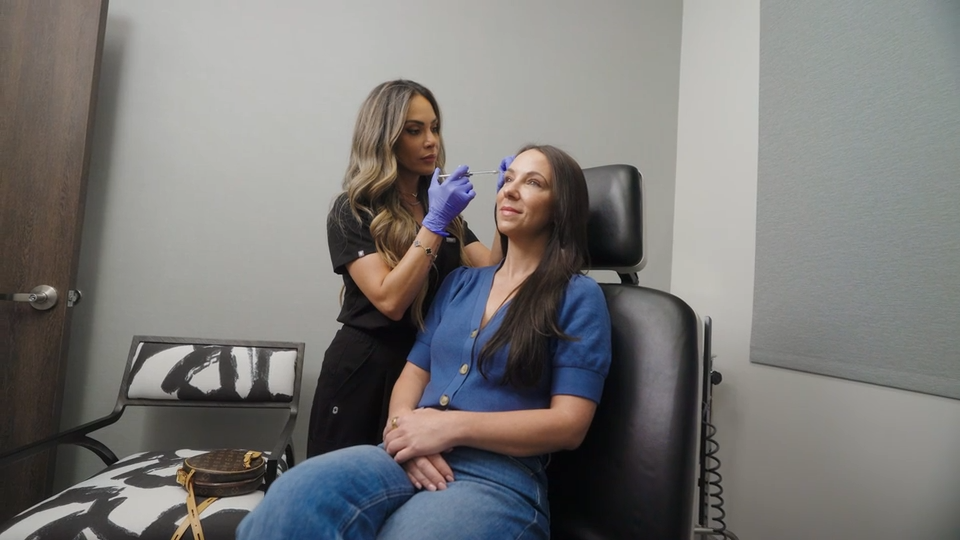
Preventative BOTOX® Cosmetic is an increasingly popular approach to skincare that focuses on preventing wrinkles before they deepen rather than correcting them after they form. The core idea is simple yet powerful: by beginning BOTOX® Cosmetic treatments earlier, often in your late 20s or early 30s, you can prevent or significantly slow down the development of static lines and wrinkles. Consistent, conservative use helps maintain smoother skin and a more youthful appearance over time, rather than waiting until deeper creases require more intensive correction.
In this article, board-certified plastic surgeon Dr. Geo N. Tabbal of Frisco, Texas discusses the benefits of starting BOTOX® Cosmetic early rather than waiting until static wrinkles form.
What Is BOTOX® Cosmetic and How Does It Work?
BOTOX® Cosmetic is the brand name for botulinum toxin type A, a purified neurotoxin that has been safely used in both medical and cosmetic applications for decades. When injected in tiny amounts, it temporarily blocks nerve signals to specific facial muscles, reducing their ability to contract. This relaxation softens dynamic wrinkles—those that appear during expressions like frowning, squinting, or raising eyebrows—without affecting the skin’s texture or volume.
The effects typically begin over the course of 7 to 10 days and last 3 to 4 months, after which the muscle activity gradually returns. Because BOTOX® Cosmetic can be used in such a focal area, it allows for natural-looking results when performed correctly. Dr. Tabbal notes that BOTOX® Cosmetic addresses far more than just the most common areas: “We’re used to thinking of BOTOX® Cosmetic for forehead wrinkles and the lines around our eyes, but the reality is that BOTOX® Cosmetic can be used in a wide variety of places.” Consultation with an experienced provider is critical so that they can examine you, assess how your face animates and determine how much is needed and where.
The Mechanism of Wrinkling and the Benefits of Starting Early
Wrinkles form through a combination of repeated muscle movements, loss of collagen and elasticity, sun damage, and genetics. Every time you smile, frown, or squint, your skin folds in the same places. Over years, these dynamic lines can become etched in as static wrinkles that remain visible even when your face is at rest.
Starting BOTOX® Cosmetic early interrupts this cycle. By limiting muscle contractions before deep lines set in, preventative treatments help preserve smoother skin and can delay or reduce the need for more aggressive interventions later. Dr. Tabbal highlights a practical sign it’s time to consider treatment: “If someone is putting on their makeup and finds that it gets into their ‘creases,’ that’s a sign that they need to start using BOTOX® Cosmetic in order to soften those lines and prevent them from getting worse.”
The Procedure, Recovery, and Safety Considerations
Preventative BOTOX® Cosmetic is quick, minimally invasive, and requires virtually no downtime—often called a “lunchtime treatment.” After a consultation to map your facial muscle movements and discuss your aesthetic goals, your provider will use a fine needle to make a series of small injections. Most sessions will take approximately 10-20 minutes.
Mild redness, swelling, or bruising at the injection sites may occur but usually resolves within hours to a day or two. Patients can typically return to normal activities immediately, although it’s wise to avoid strenuous exercise, excessive heat, and rubbing the treated areas for the first 24 hours. Results appear gradually over the first few days with full results being visible in 10 to 14 days.
Compared to surgical procedures and even many laser treatments, BOTOX® Cosmetic has an excellent safety profile when performed properly. Side effects are rare and usually minor. However, choosing the right provider is critical. It is very important to see a board-certified plastic surgeon or a highly experienced, medically trained injector. Over-treatment or poor technique and a variety of other factors can lead to an unnatural “frozen” appearance that many people dislike. A skilled professional tailors the dosage and technique to your unique facial anatomy, preserving natural expression while delivering subtle, refreshed results. As Dr. Tabbal emphasizes, “We all have different skin quality, different skin types, and different goals so coming up with an individualized plan is crucial.”
BOTOX® Cosmetic vs. Fillers: Understanding the Difference
While both BOTOX® Cosmetic and fillers are popular injectable and non-surgical treatments, they serve different purposes and are not interchangeable, especially when used as a preventative treatment. BOTOX® Cosmetic relaxes muscles to prevent or soften lines caused by movement. Fillers, on the other hand, add volume to restore lost fullness, smooth deeper folds, or enhance features like lips and cheeks. Because preventative BOTOX® Cosmetic specifically targets muscle activity before static wrinkles form, fillers are generally not considered part of the “preventative” category—they address volume-related aging that tends to become more relevant later in life.
Preventative BOTOX® Cosmetic is a Smart Investment to Achieve Graceful Aging
Preventative BOTOX® Cosmetic has become one of the most popular aesthetic treatments for good reason. It offers a relatively affordable, low-commitment way to maintain a youthful appearance and age gracefully. With consistent care, patients often enjoy smoother skin for years longer than they otherwise would. As Dr. Tabbal and nurse injector Ideh MacDonald advise, staying consistent and being sure to treat different facial areas as needed helps achieve balanced, natural-looking facial rejuvenation.
It goes without saying, that the key to success lies with your provider. When you choose an experienced provider who prioritizes subtlety and individualized care, preventative BOTOX® Cosmetic becomes a powerful tool in your long-term skincare routine. If you’re noticing early lines or simply want to stay ahead of aging, schedule a consultation with Dr. Tabbal or Ideh MacDonald today. Investing in prevention today can mean looking refreshed and confident for years to come.
Written and medically reviewed by Dr. Geo N. Tabbal, Board-Certified Plastic Surgeon.
Last updated on September 14th, 2026.


